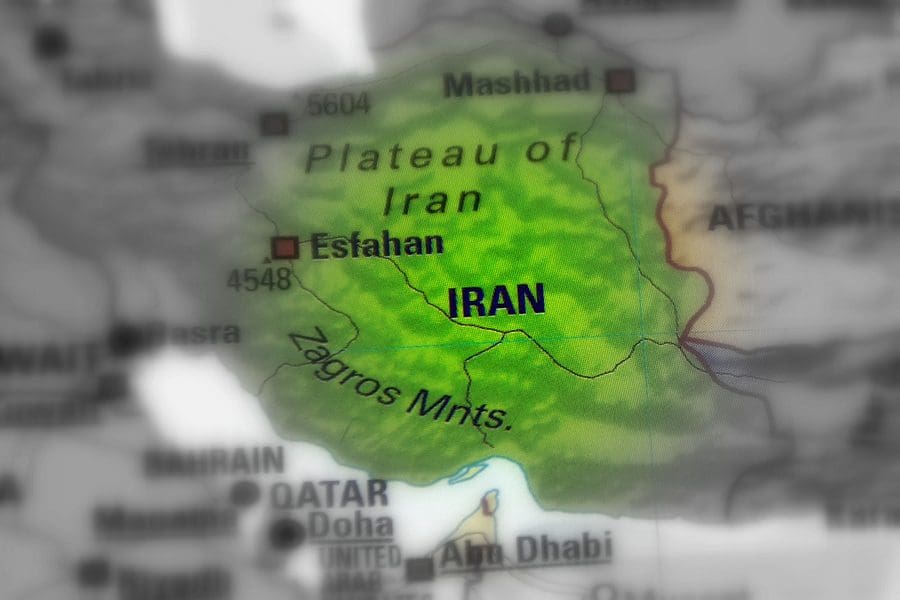
The United States has escalated its military operations with the completion of the 12th consecutive night of airstrikes targeting Iranian positions, highlighting increasing tensions in the region, particularly surrounding the strategically vital Strait of Hormuz. This narrow waterway, through which a significant portion of the world’s oil supply passes, has become a focal point of geopolitical friction.
The U.S. actions are part of a broader strategy to deter Iranian aggression and protect maritime navigation in the face of heightened threats. The strikes come amid a high-stakes standoff, with both nations exchanging pointed rhetoric and military posturing. Iran’s response to the airstrikes has included vows to defend its territorial integrity, raising concerns about potential escalations that could lead to a larger conflict.
The situation underscores the fragile balance of power in the Middle East, as U.S. allies in the region observe closely, weighing their own security needs and alliances. As diplomatic solutions appear elusive, the continued airstrikes may signal a shift toward more aggressive military engagement, with global economic implications tied to oil prices and shipping routes.
Amid diplomatic calls for de-escalation, the path forward remains uncertain as both sides brace for potential retaliation and countermeasures.
For more details and the full reference, visit the source link below: