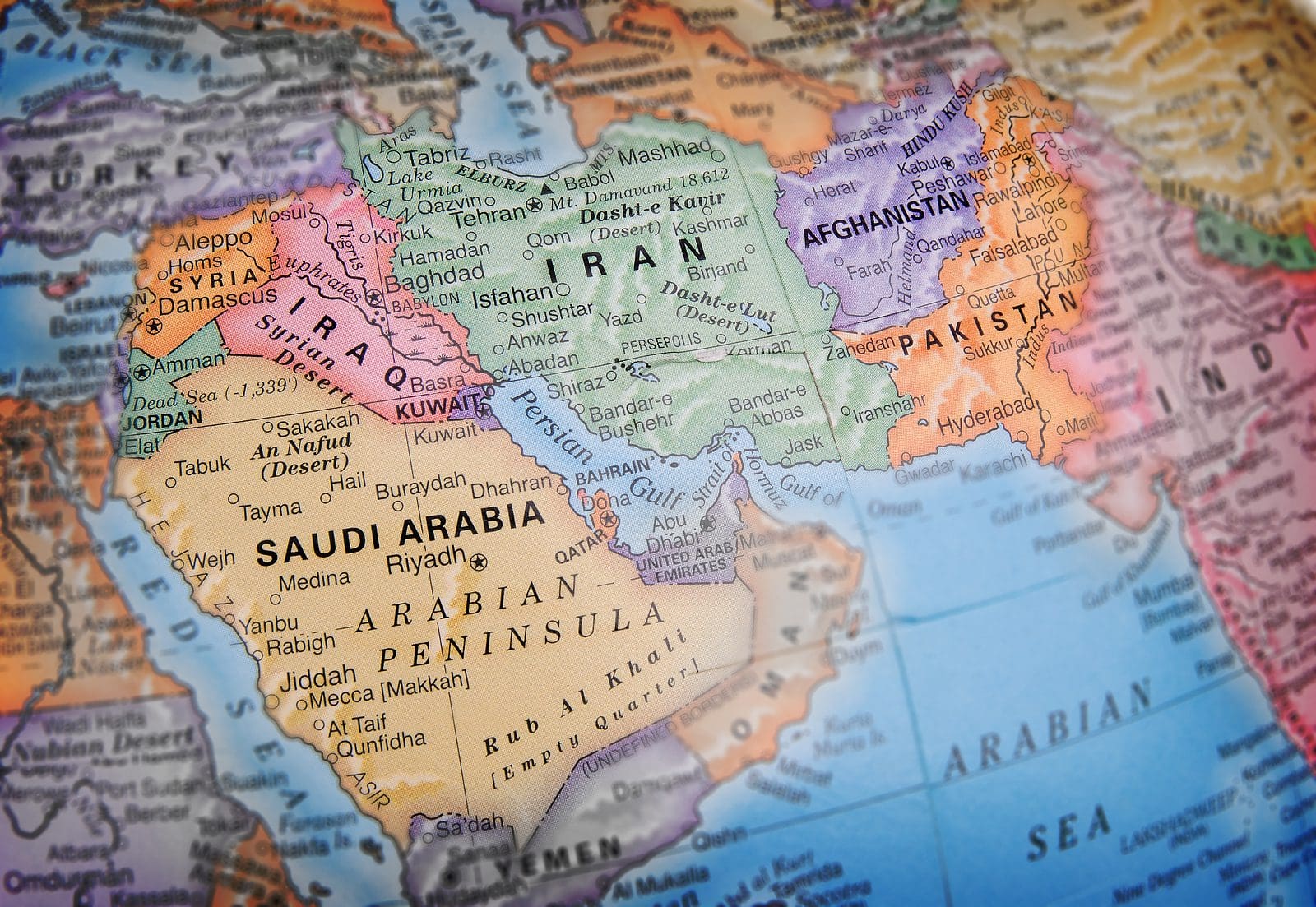
The recent escalation in U.S.-Iran tensions has reached alarming heights, as American forces conducted airstrikes against Iranian-backed militia groups in response to troop fatalities. Over the past nine nights, these strikes have aimed to counteract the growing threat posed by militias operating in Iraq and Syria, which the U.S. accuses of targeting its personnel.
This military action reflects a broader strategy by the Biden administration to demonstrate resolve in the face of aggression while also ensuring the safety of American troops stationed in the region. The strikes, which come after confirmed casualties among U.S. forces, underscore the precarious security situation and the volatile nature of U.S.-Iran relations.
Critics of the airstrikes argue that ongoing military responses may further entrench hostilities and undermine diplomatic efforts aimed at stabilizing the region. Meanwhile, Iranian officials have vehemently condemned the strikes, vowing retaliation against U.S. forces, which could result in a dangerous cycle of escalation.
With tensions running high, the potential for miscalculation looms large. The situation remains fluid, and military engagements risk escalating into a broader conflict, raising concerns among allies and regional powers alike about the future of U.S. presence in the Middle East.
For more details and the full reference, visit the source link below: