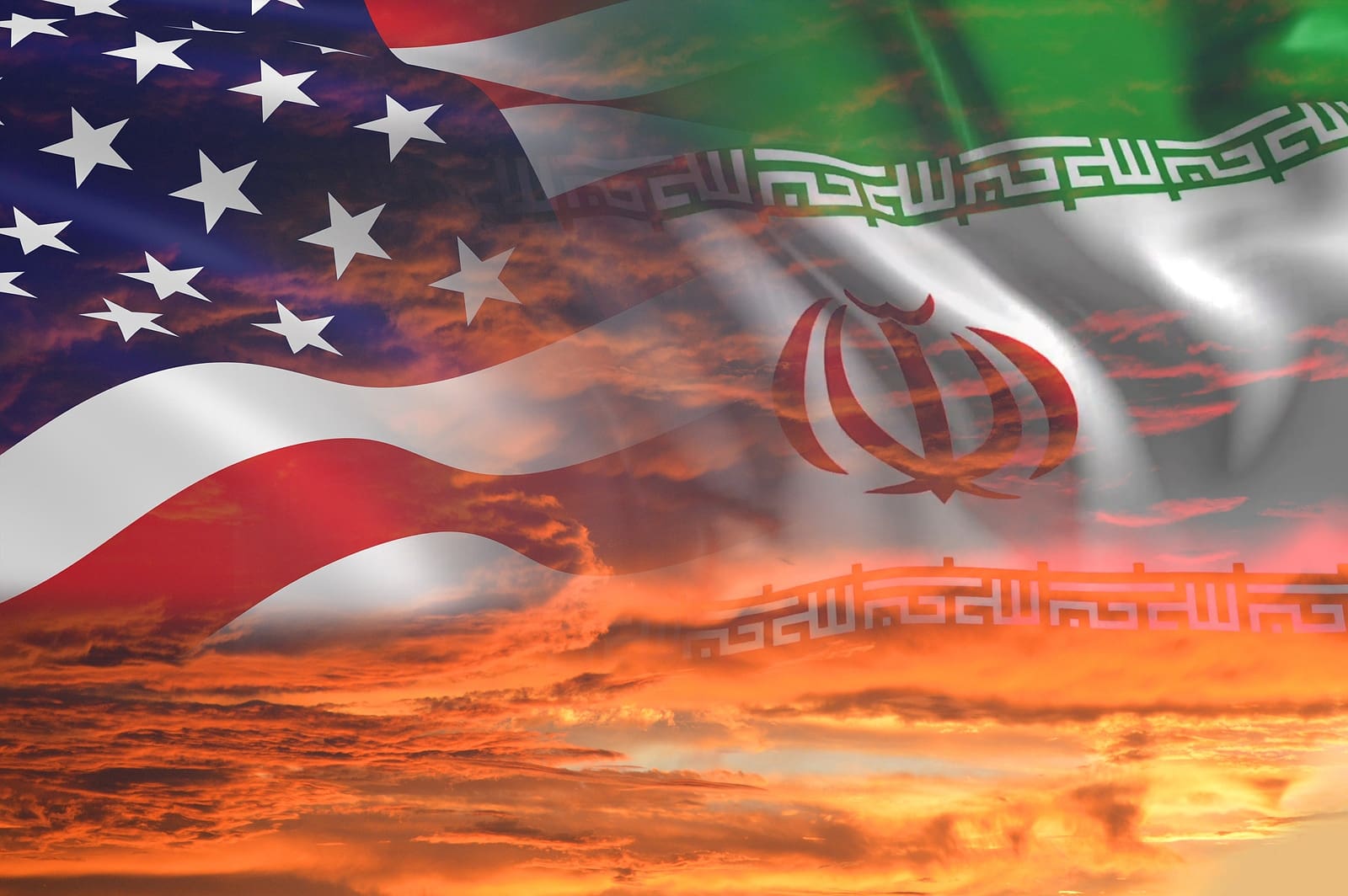
The recent escalation in tensions between the U.S. and Iran reached a critical point after an Apache helicopter was downed near the Strait of Hormuz, a crucial maritime passage for global oil shipments. In response to this incident, the U.S. launched targeted airstrikes against Iranian positions, citing the need to protect its assets and safeguard navigation in the region.
The Strait of Hormuz is a strategic chokepoint through which approximately 20% of the world’s oil passes, making any instability in this area a significant concern for global markets. The Apache helicopter was reportedly conducting routine surveillance operations when it was struck, raising questions about Iranian capabilities and the broader implications for U.S. military presence in the Gulf.
The U.S. government justified the strikes as a necessary measure to deter further Iranian aggression and reassure allies in the region. However, this move risks escalating the already volatile situation and could spark further retaliation from Iran. The international community is closely monitoring developments, as any prolonged conflict could have severe economic repercussions and draw in other nations.
As diplomatic channels remain strained, the potential for a larger conflict looms, highlighting the fragile balance of power in the Middle East.
For more details and the full reference, visit the source link below: