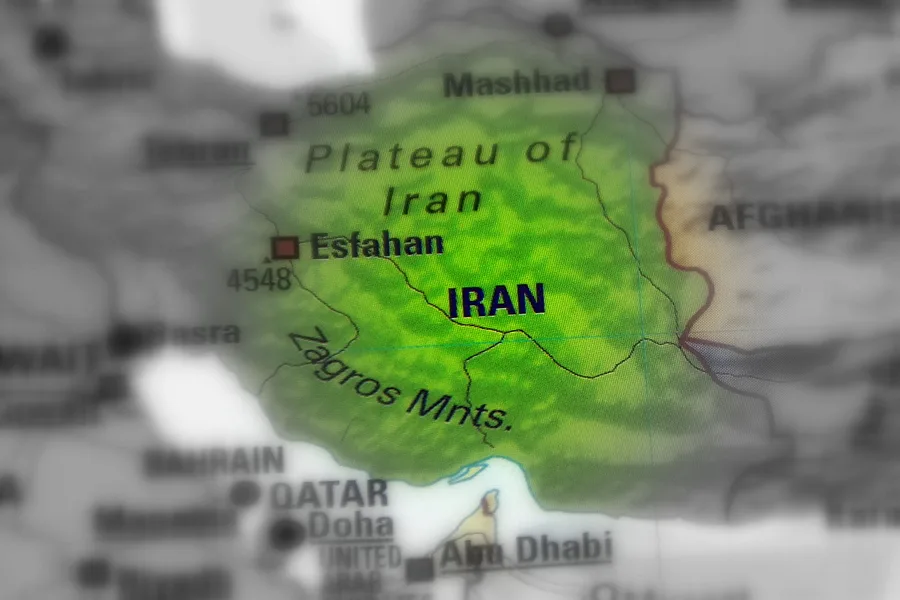
The Strait of Hormuz, a vital conduit for global oil supply, has recently seen escalating tensions as regional conflicts and geopolitical rivalries intensify. This narrow passage, through which about 20% of the world’s petroleum passes, has become a flashpoint for disputes, particularly involving Iran and its allies. Blockade threats have emerged as Iran seeks to exert its influence, leveraging its strategic position to disrupt maritime traffic, primarily in response to sanctions and military pressures from the West.
The heightened risk of a blockade raises concerns about global energy security and economic stability. Countries dependent on oil from the Gulf, notably Europe and Asia, are closely monitoring the situation, as any disruption would likely lead to significant spikes in oil prices and ripple effects on the global economy. Furthermore, military escalations, including naval confrontations, are becoming increasingly common, prompting calls for diplomatic interventions to avert potential conflict.
The international community is at a crossroads, facing the challenge of balancing regional stability with the need to secure vital shipping lanes. As players on all sides weigh their options, the potential for a blockade remains a pressing concern, underscoring the need for sustained dialogue and proactive measures to ensure the freedom of navigation in this critical choke point.
For more details and the full reference, visit the source link below:
Read the complete article here: https://www.stl.news/us-strikes-hit-iran-7th-night-strait-of-hormuz/