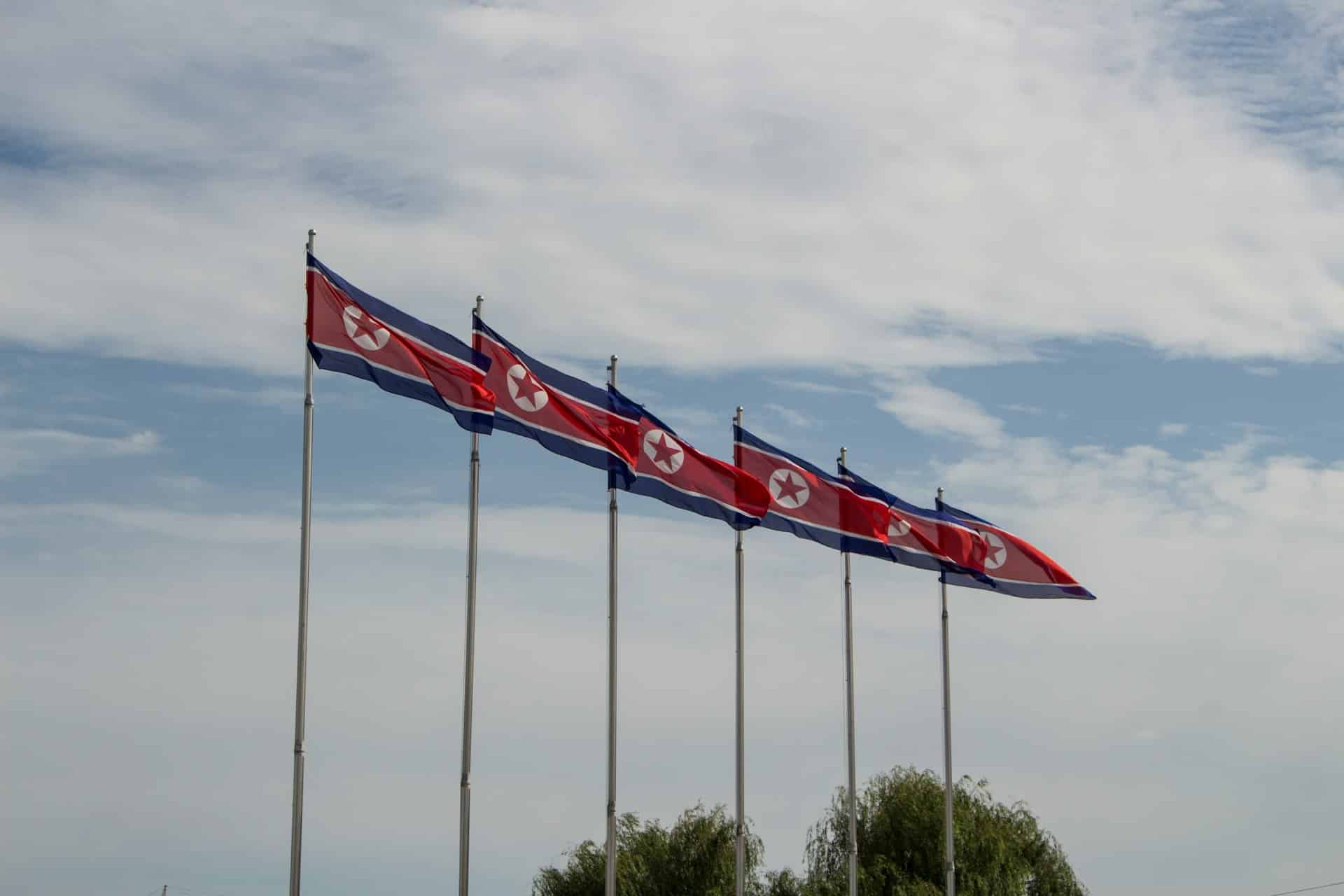
North Korea has vehemently condemned the recent $300 million missile deal between the United States and South Korea, characterizing it as a provocative act that escalates military tensions on the Korean Peninsula. The agreement, which includes advanced missile systems and defense equipment, is perceived by Pyongyang as a direct threat to its national security and a step toward potential aggression. North Korean officials accuse the U.S. of fostering a hostile environment through military collaboration with Seoul, which they claim undermines regional stability.
This missile deal coincides with North Korea’s ongoing efforts to bolster its own military capabilities, including missile tests and weapon development programs. Analysts suggest that the North views such agreements as challenges to its sovereignty and might respond with increased military posturing or further arms development. The North Korean regime often resorts to bellicose rhetoric when confronted with perceived external threats, using these situations to unify its populace and solidify internal control.
As tensions rise, the international community watches closely, particularly neighboring countries in East Asia. Diplomatic efforts remain critical in preventing further escalation. The situation underscores the delicate balance of power in the region and the significant implications of military agreements involving the U.S. and its allies.
For more details and the full reference, visit the source link below: