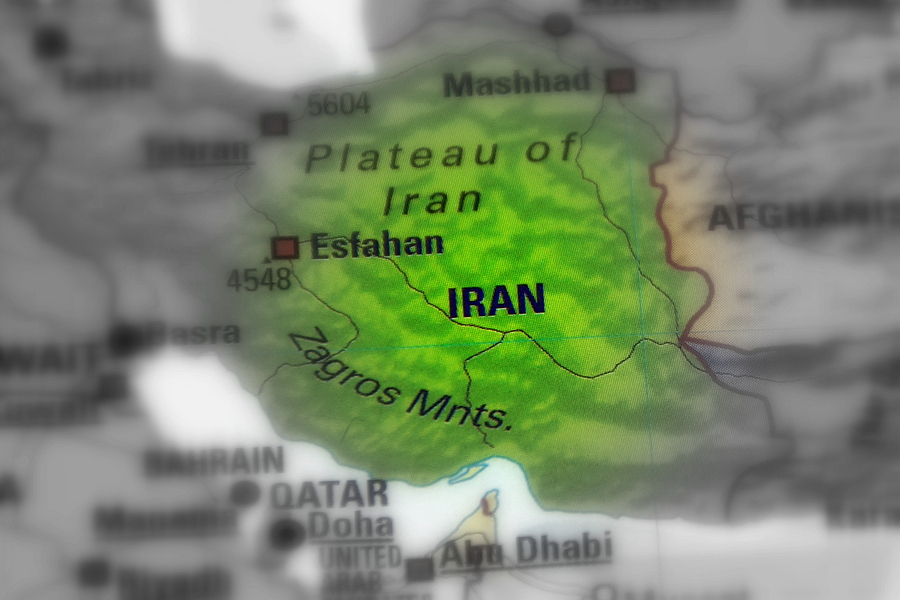
The latest developments in negotiations between the U.S. and Iran have captured global attention as both nations aim to address longstanding tensions and discussions surrounding nuclear policies. Recent talks, influenced by mounting geopolitical pressures and shifting alliances, focus on the potential revival of the Joint Comprehensive Plan of Action (JCPOA), which was established in 2015 but later discarded by the U.S. in 2018.
Negotiators have reportedly intensified discussions, with both sides expressing a willingness to compromise. The U.S. is advocating for Iran to reinstate its commitments regarding uranium enrichment levels, while Iran seeks relief from economic sanctions that have heavily impacted its economy. The negotiations have seen cautious optimism, with both parties signaling possible pathways forward.
Furthermore, regional dynamics are also at play, as neighboring countries like Saudi Arabia and Israel closely monitor the talks, concerned about the implications of a nuclear-capable Iran. The involvement of European allies in facilitating dialogue underscores the complexity of the situation.
As the talks progress, analysts emphasize the importance of diplomacy over military confrontation. The outcome from these negotiations may shape the future of not only U.S.-Iran relations but also the stability of the broader Middle East region, making the stakes higher than ever.
For more details and the full reference, visit the source link below: