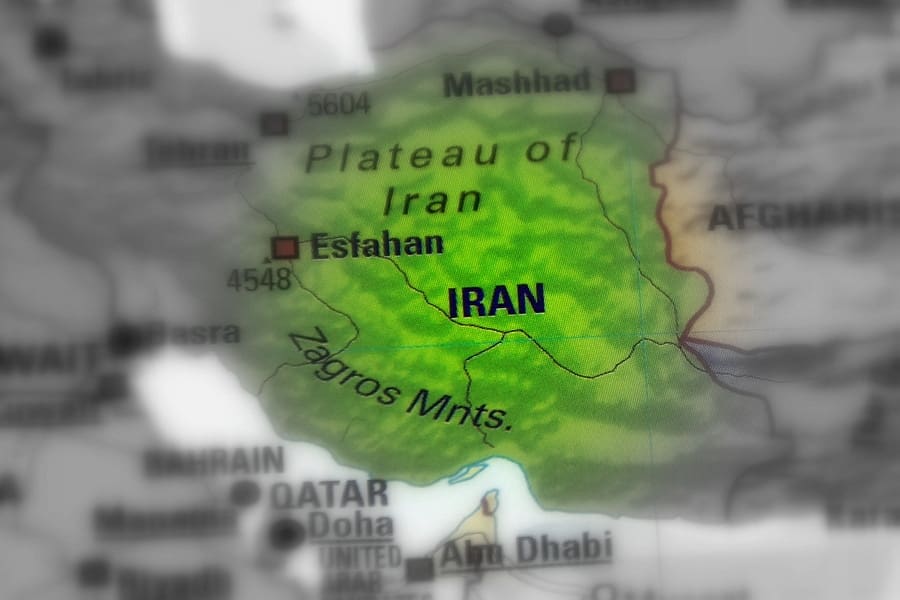
The Islamabad Memorandum, a recent diplomatic framework aimed at fostering stability and dialogue in the Middle East, faces its first significant challenge amid heightened tensions following the funeral of Iranian Supreme Leader Ayatollah Ali Khamenei. This major political shift has the potential to disrupt the delicate balance of power in the region. With Khamenei’s passing, factions within Iran are mobilizing around competing visions for the country’s future, prompting concerns over internal strife and external aggression.
Simultaneously, the ongoing standoff in the Strait of Hormuz exacerbates an already precarious situation. This crucial passage, responsible for a substantial portion of the world’s oil supply, remains a flashpoint for potential military confrontations between regional powers and global stakeholders. The memorization of the Islamabad Memorandum emphasizes diplomatic engagement and conflict de-escalation, yet the realities on the ground present formidable obstacles.
As key players evaluate their positions, the international community watches closely. The success or failure of the Islamabad Memorandum in navigating these turbulent waters will not only shape the political landscape of the Middle East but also influence global oil markets and security dynamics for years to come. The coming weeks will be critical in determining whether dialogue or discord will dominate the region’s future.
For more details and the full reference, visit the source link below:
Read the complete article here: https://www.stl.news/islamabad-memorandum-khamenei-funeral/