As global markets navigate through a tumultuous economic landscape, uncertainties loom large, prompting investors to brace for potential shocks. Recent geopolitical tensions, coupled with fluctuating interest rates and inflation concerns, have created a volatile environment. Central banks are grappling with balancing economic recovery against rising inflation, leading to speculation over policy changes that could impact markets worldwide.
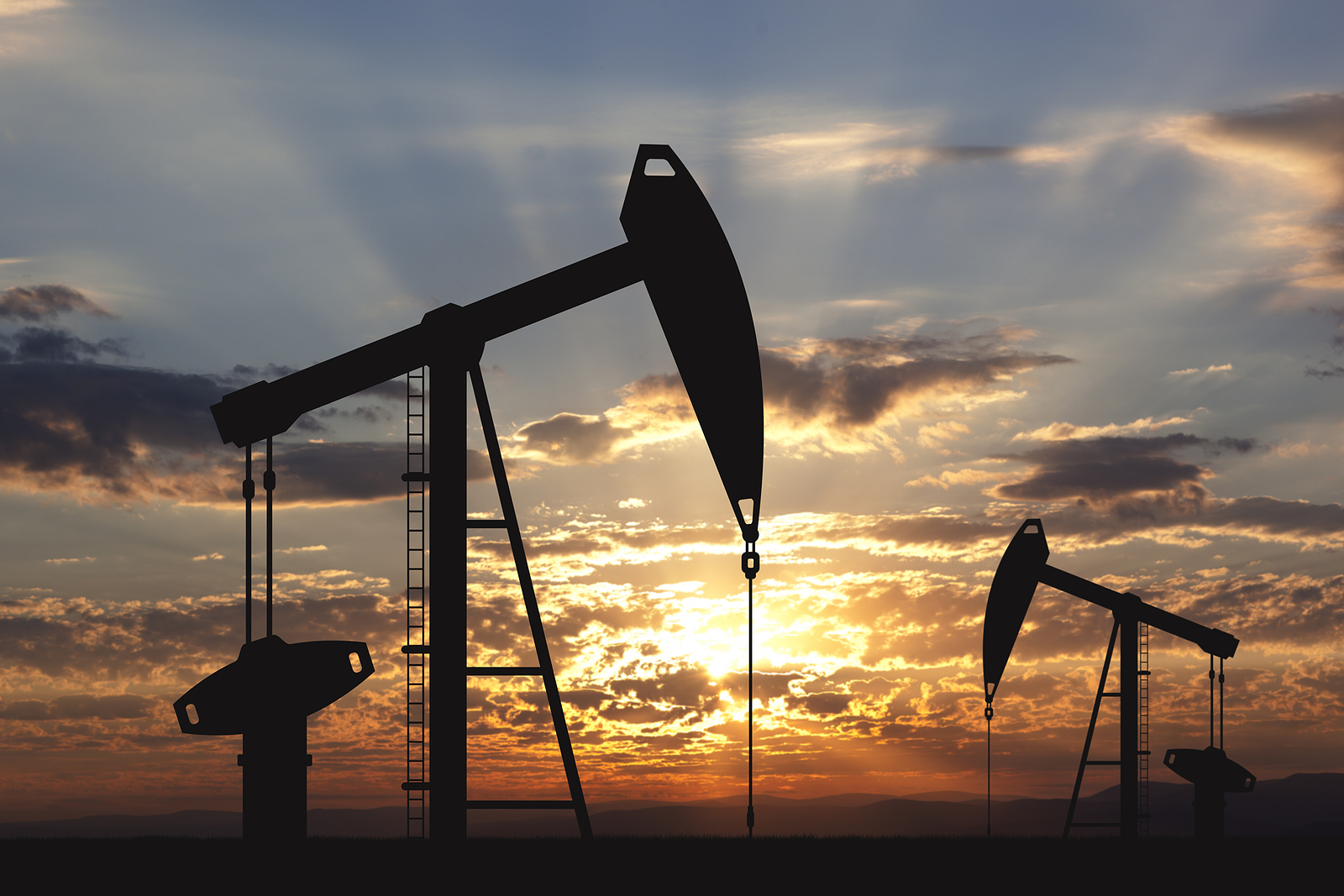
The ongoing supply chain disruptions, exacerbated by geopolitical conflicts and pandemic aftershocks, are further straining economies. These factors contribute to apprehension among investors, resulting in increased volatility in stock markets and commodity prices. The energy sector, in particular, faces significant challenges as prices fluctuate, impacting everything from manufacturing to consumer costs.
As economies attempt to rebound, analysts warn of potential ripple effects. Emerging markets may face heightened vulnerability, given their reliance on external investments and trade. In this unpredictable atmosphere, diversification and risk management have become essential strategies for investors.
Market participants are urged to stay cautious while closely monitoring economic indicators. The road ahead remains uncertain, and adapting to rapidly changing conditions will be key for both businesses and consumers. As the global economy braced for potential shocks, vigilance and preparedness are more crucial than ever in navigating these unprecedented challenges.
For more details and the full reference, visit the source link below: