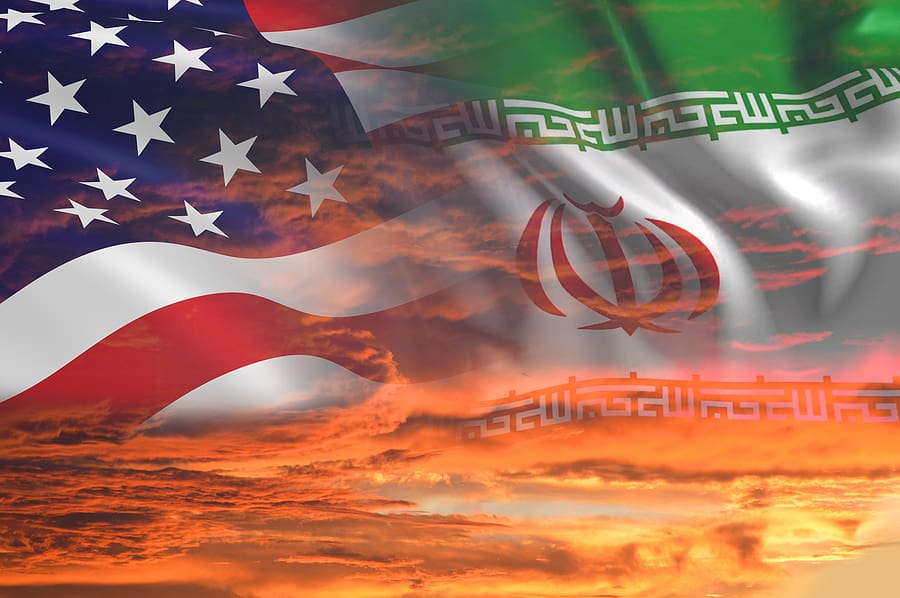
The landscape of international relations is often tumultuous, with fragile ceasefires presenting both opportunities and challenges. Recently, various conflict zones have seen temporary truces emerge, offering a glimmer of hope for peace. However, these ceasefires are inherently delicate and can easily be undermined by political tensions, military engagements, or external influences. The stability of these agreements is crucial, not only for the affected regions but also for global markets.
Amid these geopolitical uncertainties, rising oil prices have become a significant concern. Fluctuations in oil prices often correlate with global conflict and instability. A fragile ceasefire can create a short-lived surge in oil supply and subsequently lower prices, but any resurgence of hostilities can lead to skyrocketing oil costs. These price hikes impact global economies, particularly in countries heavily reliant on oil imports.
As nations navigate the complexities of ceasefires and rising oil costs, policymakers must prioritize diplomatic solutions to ensure long-lasting peace. The interplay between conflict resolution and economic stability underscores the importance of addressing the root causes of instability while striving for sustainable energy alternatives. The future hinges on eradicating conflicts and fostering cooperation, ultimately leading to a more stable and prosperous world.
For more details and the full reference, visit the source link below:
Read the complete article here: https://www.stl.news/fragile-ceasefire-and-rising-oil-prices/