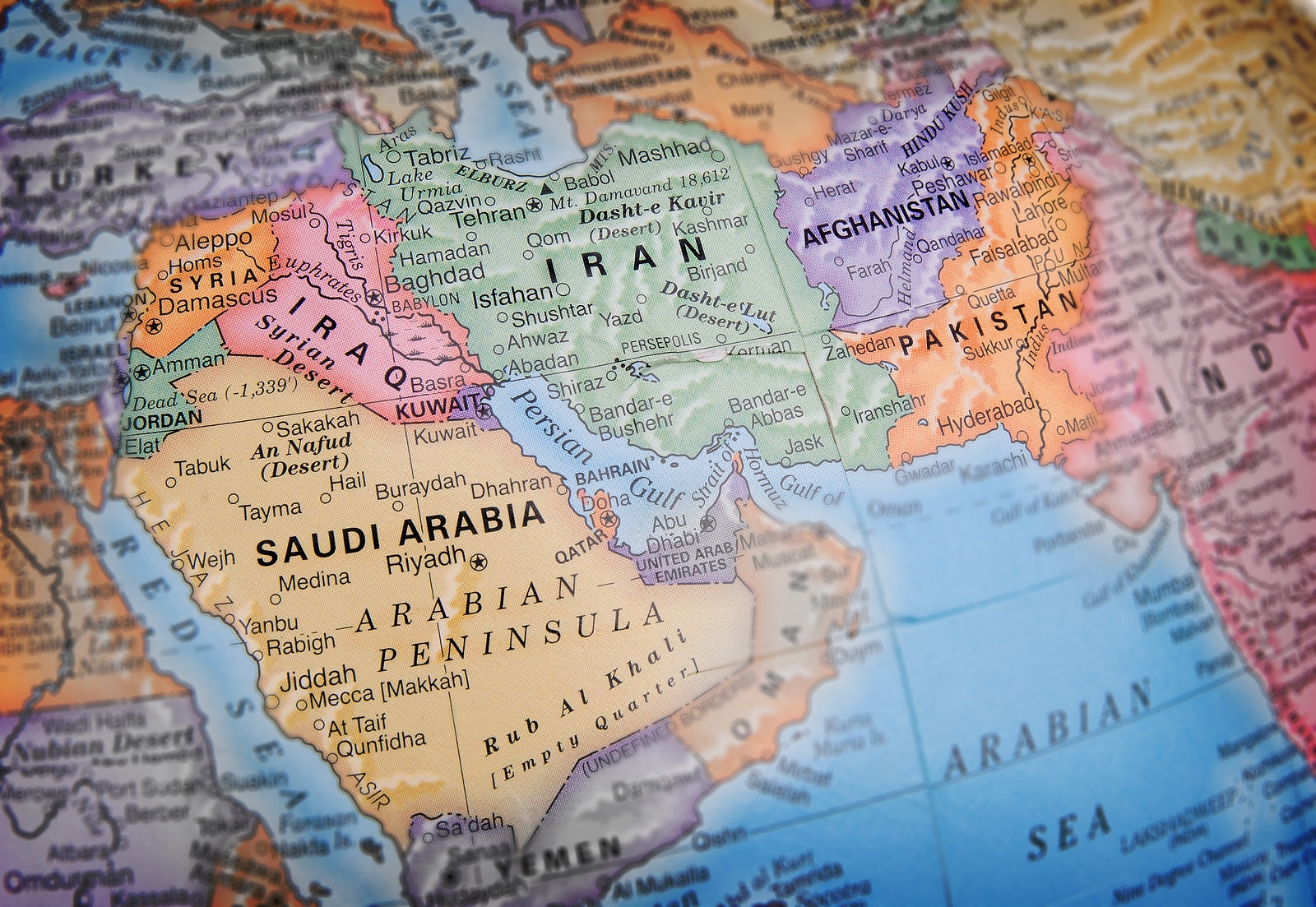
Tensions in the Middle East have reached a boiling point following Iran’s recent strike on U.S. Gulf bases, a direct retaliation for ongoing nightly bombardments aimed at its positions. The escalation highlights the fragile geopolitical landscape characterized by long-standing rivalries and mutual hostility. As Iranian forces launched missiles targeting U.S. installations, the immediate response raised alarms about a potential full-blown conflict, with echoes of past confrontations reverberating through the region.
The Iranian government framed its actions as a necessary defense against what they describe as unprovoked aggression, while American officials reiterated their commitment to protecting their personnel in the area. The strike resulted in significant damages but, crucially, no casualties, leading to discussions about the broader implications this may have for U.S. foreign policy in the region.
Regional allies have voiced concerns, fearing that this could spiral into a larger conflict affecting neighboring countries. Economic ramifications could also be severe, as oil prices are likely to spike due to instability in the Gulf, impacting global markets. As world leaders call for restraint, the path forward remains uncertain, with both sides bracing for further retaliatory actions. The situation serves as a stark reminder of the precarious balance of power in the Middle East, where the stakes are incredibly high.
For more details and the full reference, visit the source link below: