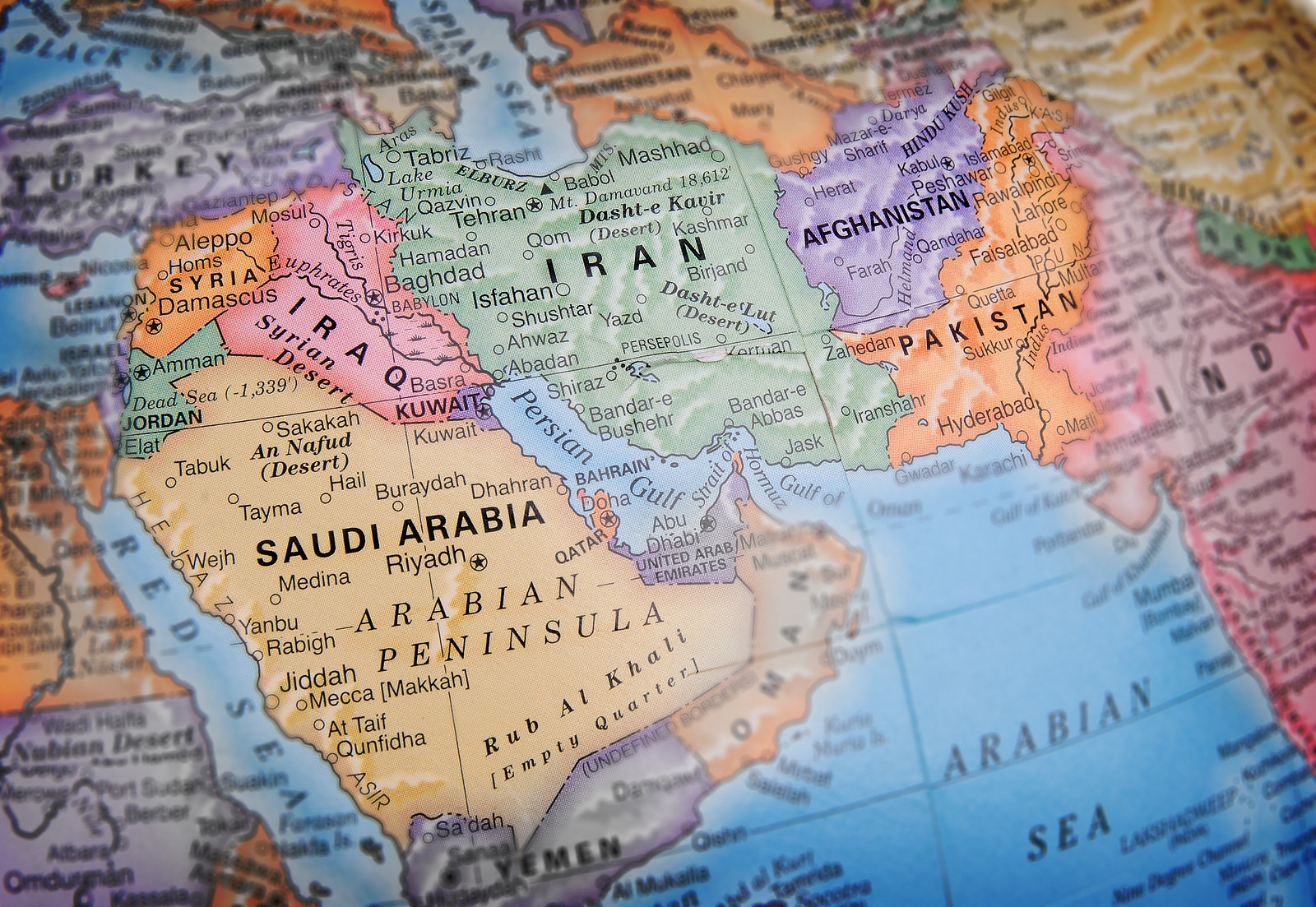
Redefining geopolitics and global energy security is a critical endeavor in an era marked by rapid technological advancement, climate change, and shifting power dynamics. Traditionally dominated by fossil fuel resources, global energy security is now facing the dual challenge of reducing dependence on oil and gas while fulfilling the rising energy demands of developing nations.
The emergence of renewable energy technologies—solar, wind, and hydropower—has begun to reshape the geopolitical landscape. Countries rich in these resources can exert considerable influence, while traditional oil-dependent nations may need to diversify their economies to maintain relevance. The transition to a low-carbon economy is not merely an environmental necessity but a strategic imperative.
Moreover, energy security is increasingly linked with cybersecurity. As countries integrate smart grids and digital infrastructure, securing energy systems from cyber threats becomes paramount. This new dynamic fosters collaboration among nations through international agreements, focusing on sustainable energy practices and technological innovation.
As nations navigate this complex landscape, geopolitical strategies will need to emphasize resilience and adaptability. A nuanced understanding of local contexts, geopolitical rivalries, and collaborative opportunities will be essential in ensuring a stable and secure energy future, ultimately leading to a more equitable global energy landscape.
For more details and the full reference, visit the source link below: