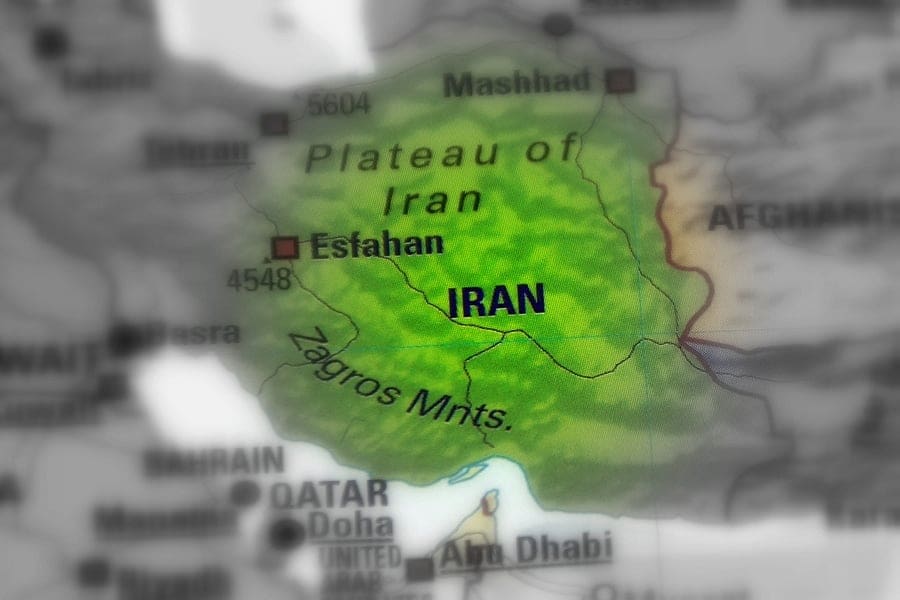
Iran’s military strategy is intricately designed around deterrence and influence rather than the pursuit of conventional warfare victories. Rooted in historical context, Iran’s experiences during the Iran-Iraq War (1980-1988) shaped its understanding of asymmetric warfare. Instead of engaging in a traditional war of fronts, Iran focuses on guerrilla tactics, cyber warfare, and proxy forces, enabling it to project power without the need for large-scale conventional confrontations.
The Iranian military doctrine emphasizes the use of irregular forces, such as the Islamic Revolutionary Guard Corps (IRGC) and affiliated militias across the region. This strategy allows Iran to extend its influence in neighboring countries without the cost and risk associated with conventional military engagements. The goal is not to outright “win” but to create a complex security environment that complicates adversaries’ operations.
Additionally, Iran invests heavily in missile technology and cyber capabilities, reinforcing its deterrent posture. By fostering regional alliances and supporting armed groups, Iran aims to shape regional dynamics and counterbalance more conventional military threats from adversaries like the United States and Israel. Ultimately, Iran’s military strategy emphasizes survival and strategic depth, ensuring its regime’s continuity rather than pursuing victories on conventional battlefields.
For more details and the full reference, visit the source link below:
Read the complete article here: https://www.stl.news/misreading-the-map-why-irans-military-strategy/