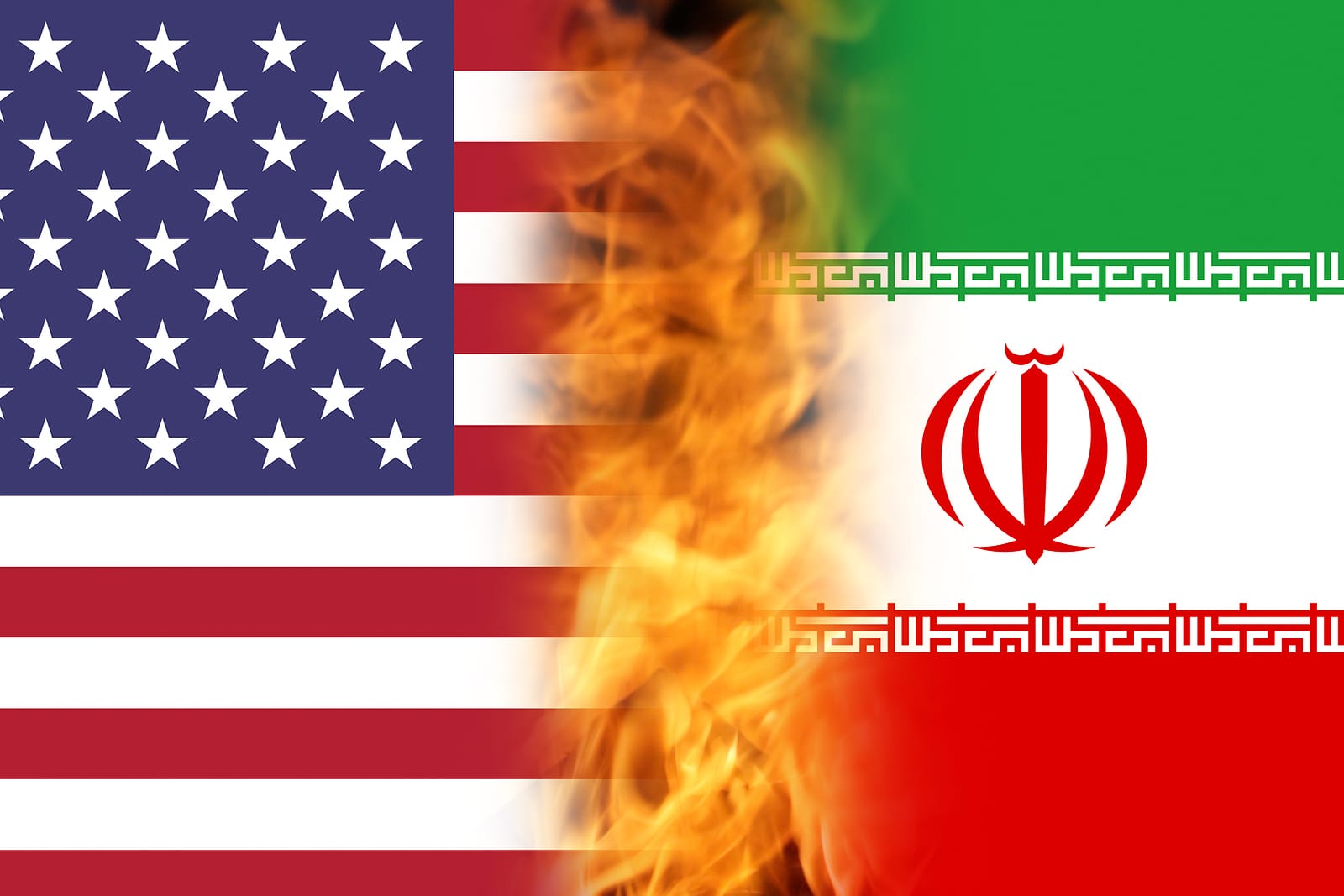
In recent developments, tensions in the Gulf region have escalated dramatically as Iran conducted a military strike on Bahrain, reportedly in response to perceived provocations linked to US military actions in the area. This strike underscores the fragile dynamics of the Middle East, where geopolitical rivalries have often led to violent confrontations.
The backdrop to this escalation involves increased US military presence in the Gulf, aimed at countering Iranian influence and ensuring maritime security. Following targeted operations by US forces, Iran’s leadership has adopted a more aggressive stance, viewing such actions as a direct threat to its sovereignty and regional ambitions. Authorities in Tehran have long criticized US interventions, claiming they fuel instability and justify retaliatory measures.
Bahrain, home to the US Fifth Fleet, has historically been caught in the crossfire of US-Iran tensions. The strike raised alarms about the potential for wider conflict, with Bahrain’s leadership calling for international support to confront escalating threats. In response, the international community has expressed concern over the spiraling violence and urged diplomatic dialogue to de-escalate the situation.
As regional powers assess their next moves, the incident highlights the urgent need for effective communication channels to prevent further military confrontations and maintain stability in an increasingly volatile region.
For more details and the full reference, visit the source link below: