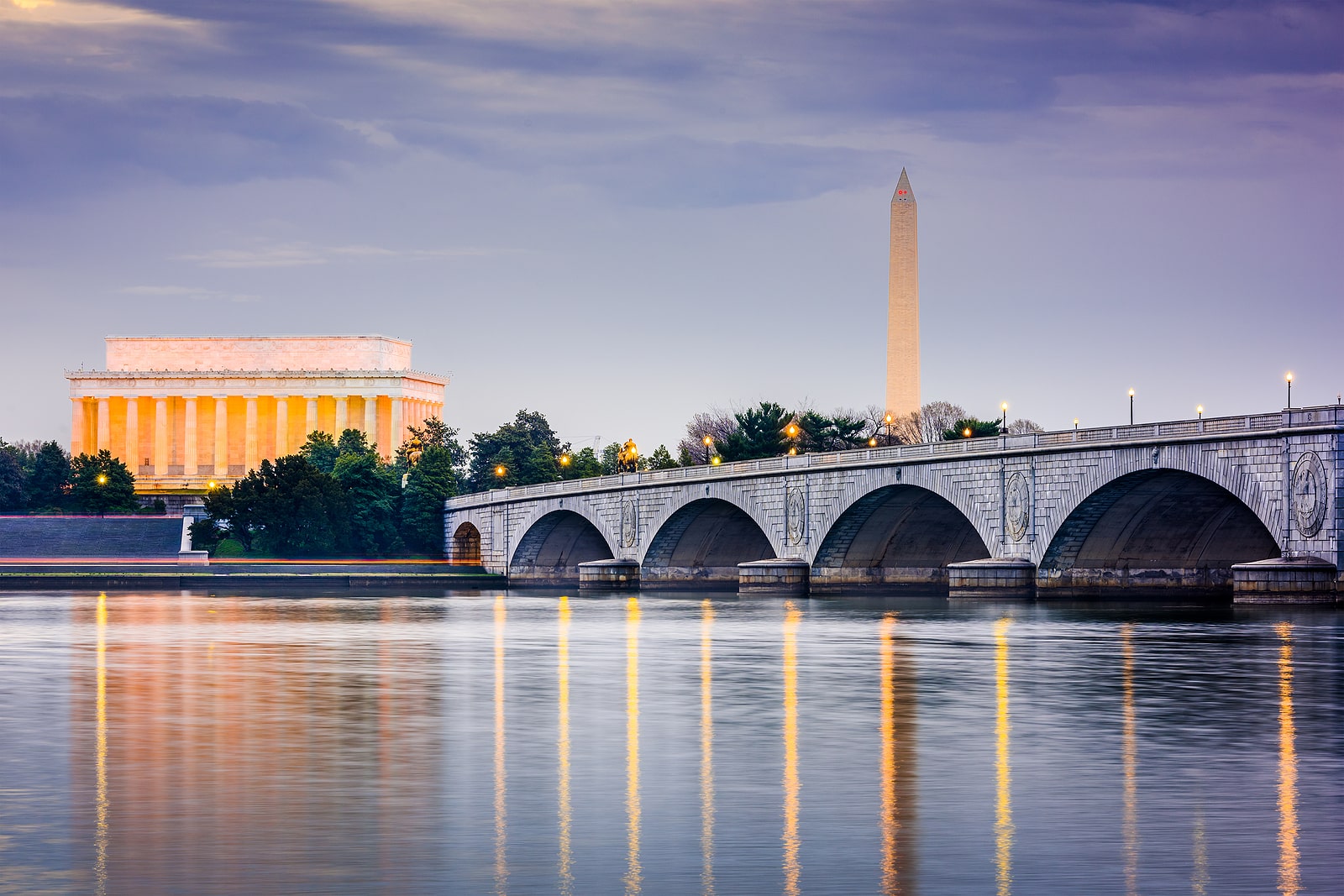
The Reflecting Pool on the National Mall has become a focal point for debate, drawing attention to potential engineering failures versus claims of political sabotage. Originally constructed in 1922, the pool has encountered persistent issues related to drainage, structural integrity, and maintenance, raising questions about the engineering practices employed over the decades. These failures have often been attributed to inadequate materials and outdated construction techniques, underscoring the need for modern interventions.
Conversely, some argue that political agendas have played a significant role in the pool’s ongoing challenges. With varying levels of government oversight and funding, priorities shift based on prevailing political climates. The balancing act between preserving historical integrity and implementing necessary renovations has fueled controversies, suggesting that decisions may not always prioritize the pool’s functional requirements.
This high-stakes battle encapsulates broader issues within public infrastructure projects, where engineering expertise must often navigate the turbulent waters of political influence. Stakeholders, including conservationists, engineers, and policymakers, continue to grapple with finding effective solutions that honor the historical significance of the Reflecting Pool while ensuring its sustainability for future generations. Ultimately, the intersection of engineering principles and political interests will determine the future of this iconic monument.
For more details and the full reference, visit the source link below: