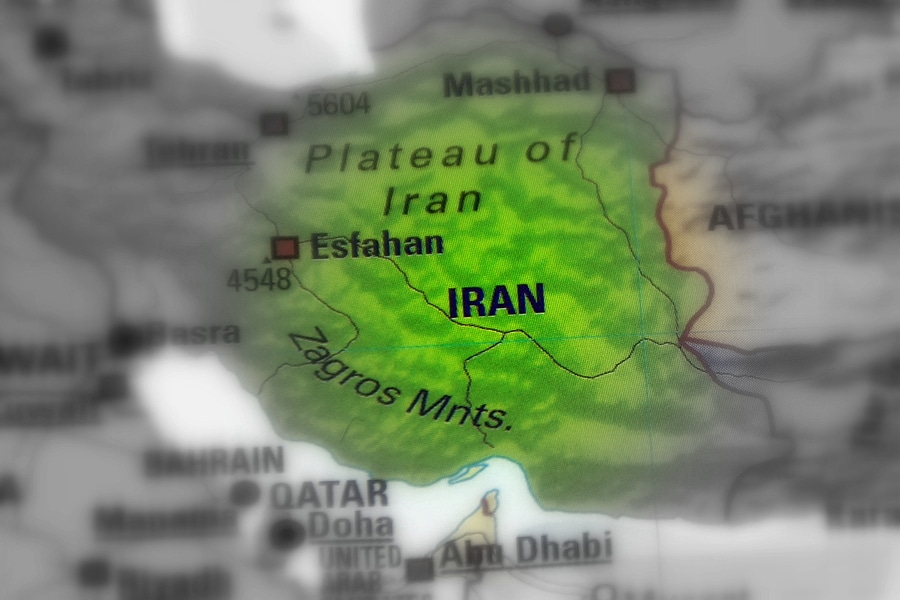
As US-Iran negotiations enter a critical phase, the global community watches closely, anticipating a potential framework agreement. The discussions seek to address nuclear proliferation concerns while navigating complex geopolitical dynamics in the Middle East. Central to these talks are issues surrounding Iran’s nuclear program, economic sanctions, and regional security alliances.
The Biden administration faces the challenge of reviving the Joint Comprehensive Plan of Action (JCPOA) initially established in 2015, which aimed to curtail Iran’s nuclear ambitions in exchange for sanctions relief. However, President Trump’s withdrawal from the deal in 2018 led to heightened tensions and Iran’s subsequent escalations in nuclear activities. The current negotiations aim to find a balance that would satisfy both parties, while ensuring that Iran does not cross nuclear thresholds.
Diplomats are exploring various avenues to secure not only an agreement but also long-term commitments that address broader regional concerns, including Iran’s influence across the Middle East. The implications of a successful agreement could reshape international relations, ease tensions, and pave the way for dialogue on other contentious issues. As stakeholders await the outcome, the stakes remain high, highlighting the need for strategic diplomacy in fostering stability in the region.
For more details and the full reference, visit the source link below: