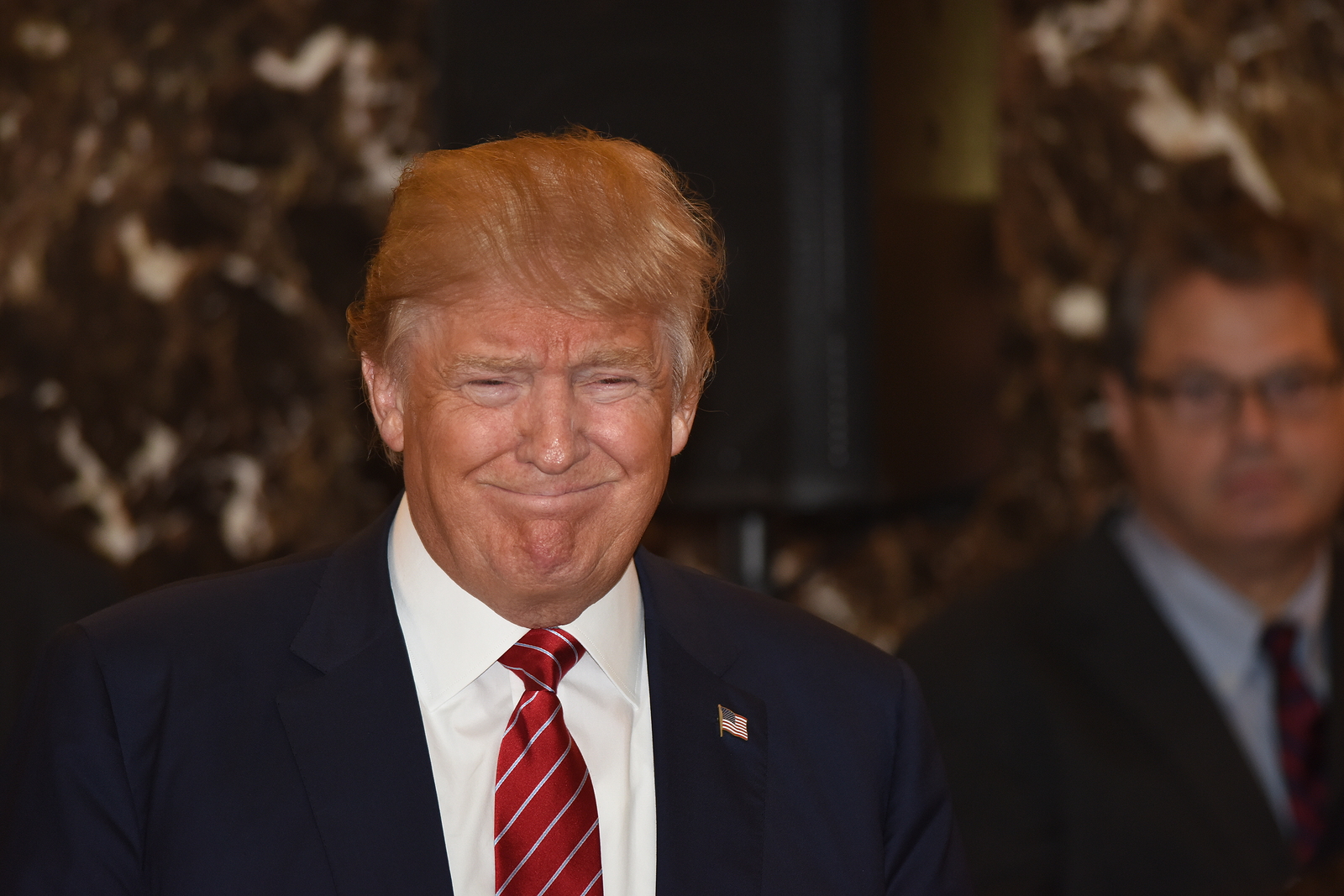
In a remarkable shift during his second term, President Donald Trump has issued executive orders that not only surpass the total from his first term but also exceed the number enacted by several of his recent predecessors. This surge in executive actions highlights his administration’s focus on rapidly enacting policy changes without the need for congressional approval.
Throughout his second term, Trump has utilized executive orders to address a variety of issues, including immigration reform, healthcare policies, and economic directives aimed at revitalizing the economy post-pandemic. This tactic is often seen as a response to perceived legislative gridlock, allowing the president to implement his agenda directly.
Comparatively, recent presidents such as Barack Obama and George W. Bush issued fewer executive orders during their second terms. While executive orders are a common tool for presidents to assert their authority, Trump’s prolific use has sparked debates about the balance of power and the permanence of such directives. Critics argue that this approach circumvents democratic processes, while supporters view it as a necessary strategy to achieve meaningful change.
Overall, Trump’s executive orders in his second term reflect his determination to leave a distinct legacy, emphasizing his willingness to leverage executive power to achieve his objectives.
For more details and the full reference, visit the source link below: