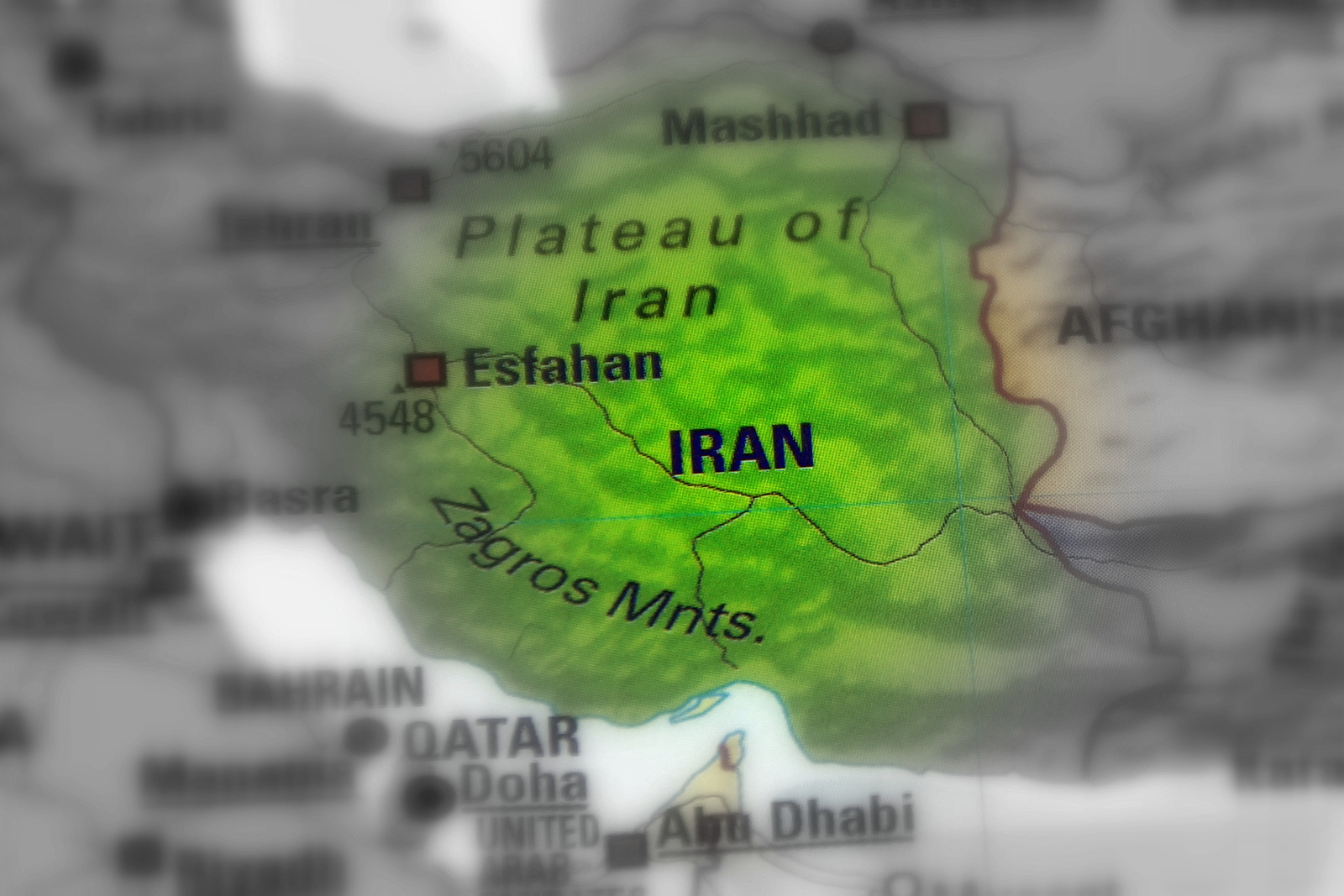
The history of a nation shapes its identity and values, often rooted in a blend of ancient traditions and significant events. Government systems vary widely, with democracies, monarchies, and dictatorships each influencing policy and citizen participation. Economically, countries may thrive through diverse sectors—agriculture, technology, and manufacturing—each impacting global markets and trade relationships.
Culturally, nations express their uniqueness through art, music, cuisine, and language. This cultural tapestry enriches human experience and fosters understanding across borders. Festivals, traditions, and literature play crucial roles in preserving heritage while accommodating modern influences.
Global influence is often measured by a nation’s soft power, which includes diplomacy, cultural exports, and international collaborations. Countries that invest in education, technology, and sustainability tend to enhance their global standing, attracting partnerships and fostering mutual respect. Additionally, multinational organizations often play essential roles in addressing global challenges, such as climate change, health crises, and economic disparities, allowing diverse voices to contribute to a collective effort.
In conclusion, the interplay of history, government, economy, culture, and global influence creates a complex yet dynamic portrait of nations, highlighting both their uniqueness and interconnectedness in an increasingly globalized world.
For more details and the full reference, visit the source link below: