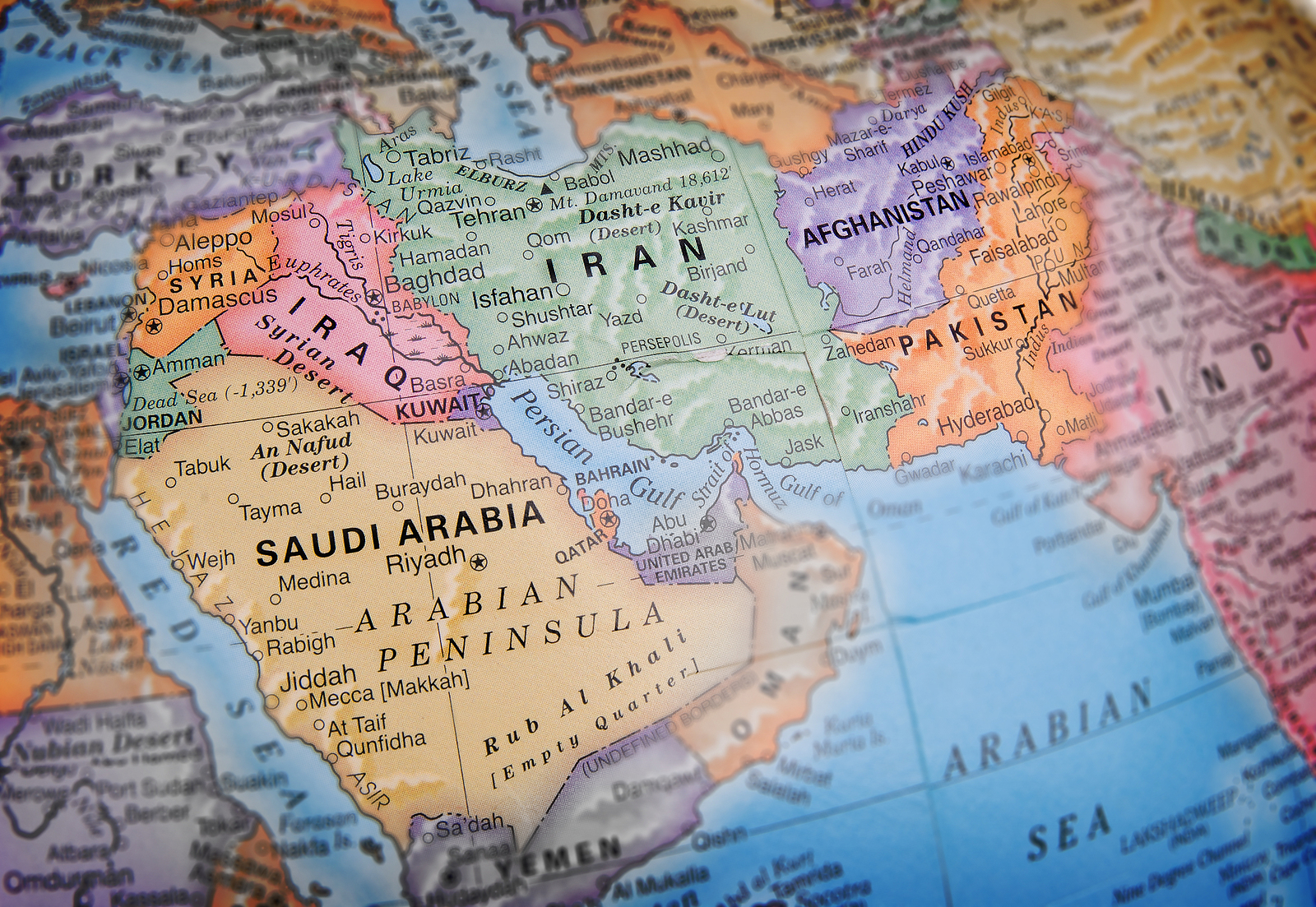
As diplomatic efforts to stabilize the situation in Iran continue, recent talks have hit a standstill amid escalating pressures and rising tensions. Despite the endemic conflicts that have plagued the region, a fragile ceasefire is holding, albeit precariously. This temporary calm has offered a glimmer of hope for a more lasting peace, yet the underlying tensions—exacerbated by geopolitical rivalries and internal pressures—remain palpable.
Negotiators from various parties have struggled to find common ground, with each side holding firm to its demands. The stalled discussions reflect not just the complexities of the Iranian political landscape but also the influence of external actors and their vested interests in the region. As critical issues such as nuclear agreements and economic sanctions loom large, the chances of reaching a consensus appear slim.
In the interim, the civilian population bears the brunt of these uncertainties, as economic hardships continue to mount. Humanitarian concerns are increasingly urgent, with many advocating for immediate measures to alleviate suffering. While the ceasefire offers temporary relief, the lack of progress in talks underscores the necessity for renewed diplomatic efforts to address the root causes of conflict and pave the way for a sustainable solution in the region.
For more details and the full reference, visit the source link below: