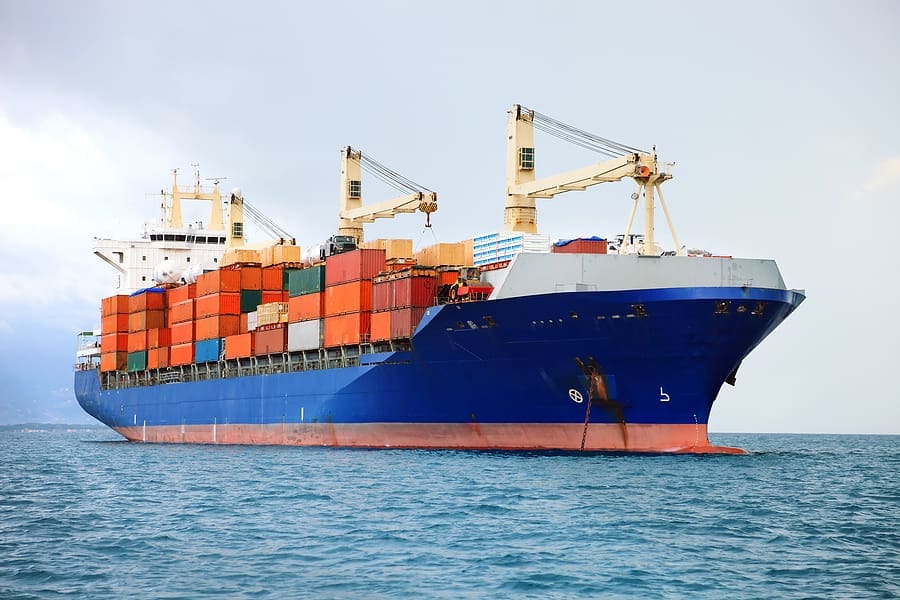
The Strait of Hormuz, a critical maritime passage for global oil transportation, has become a flashpoint of heightened military tensions, prompting worldwide concern over potential disruptions to oil supply. This narrow waterway, through which nearly a fifth of the world’s oil travels, is surrounded by geopolitically sensitive nations, and recent skirmishes have raised alarms about the security of this vital route.
In recent months, nations involved in the region have escalated military posturing, conducting naval exercises and increasing surveillance. These maneuvers have fueled fears of miscalculations leading to armed conflicts, which could have catastrophic effects on global markets. The potential for a blockade or conflict in the Strait could spike oil prices, affecting economies globally, particularly those heavily dependent on oil imports.
Moreover, as tensions simmer, diplomatic efforts to ease the strains appear to be failing. The implications of a crisis in the Strait of Hormuz extend beyond immediate regional impacts; they threaten to disrupt supply chains, inflating prices and causing economic instability worldwide. In this volatile climate, ensuring safe passage through the Strait remains a priority for major oil-exporting nations and consumers alike, highlighting the critical need for diplomatic solutions to mitigate conflict escalation.
For more details and the full reference, visit the source link below: